.jpg)
Most people who bid have a rough idea of what that means. Ask them to explain it, though, and things get a little fuzzy. That fuzzy part is usually where the surprises come from.
So let's clear it up. When you buy something as-is, where-is, you're buying it in the shape it's in today, from wherever it's parked today. That's really the whole idea. The rest of this guide walks through what it looks like on an actual auction, so you can size up an item for yourself and bid knowing what you're getting into.
What Does "As-Is, Where-Is" Mean?
"As-is, where-is" means you buy an item in its current condition, at its current location, and without a warranty from the seller or the auction company. Once the sale closes, it's yours exactly as it sits, and getting it home is up to you.
It's easier to think about if you break it in half.
"As-is" is about condition. The item sells with whatever faults it has, whether they're obvious, hidden, or haven't shown up yet. Say you get a tractor home and a hydraulic line starts weeping a week later. That comes with owning a used tractor. It doesn't undo the sale.
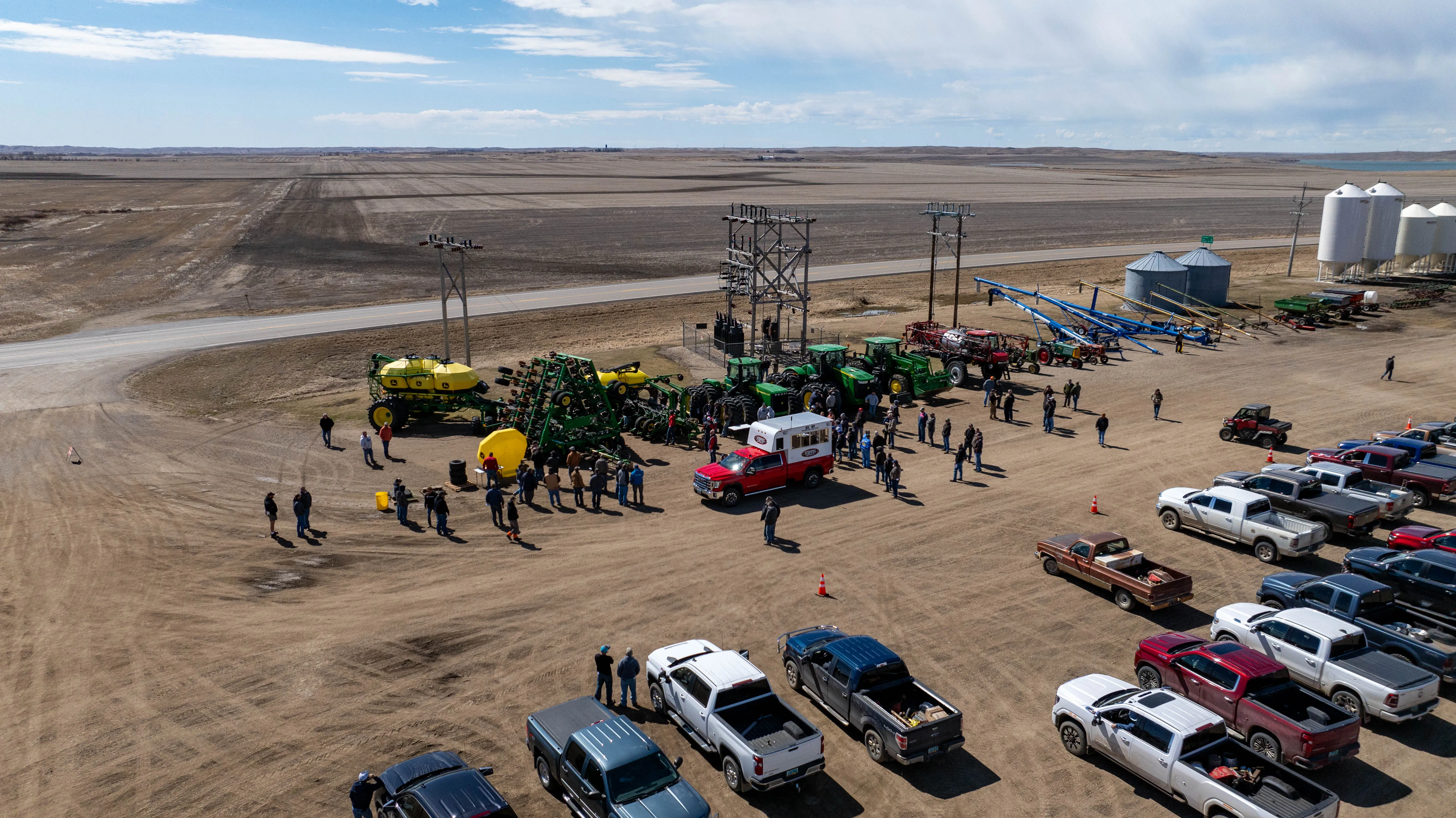
"Where-is" is about location. The item sells from wherever it's sitting. That might be a seller's farmyard in North Dakota, a contractor's lot in Minnesota, or a Steffes equipment yard in Iowa. Outside of scheduled loadout times, loading items are on you as the buyer, along with hauling and pulling any permits. We also run monthly auctions in Canada, so if you're buying across the border, in either direction, count on some customs and import paperwork before the item's in your shed.
Is Every Auction Item Sold "As-Is, Where-Is"?
At Steffes, everything is sold as-is, where-is unless the item description lists a specific factory or seller-issued warranty. Keep an eye out for that. A newer machine might still have some of its original manufacturer warranty left, and if it does, the listing will tell you.
If the description doesn't say anything about a warranty, go ahead and assume there isn't one. Our auction terms say plainly that no warranties are expressed or implied, and that buyers accept items in as-is condition. The details in a listing come from the seller, and they're shared in good faith. Still, if something matters to your bid, it's worth checking yourself.
You can read the full Steffes terms and conditions whenever you like, and each auction posts its own terms on the listing page too. We'd much rather you read them before you bid than find something in there after.
Why Do Auctions Sell Items "As-Is, Where-Is"?
Auctions sell as-is, where-is because it keeps things quick and puts every bidder on the same footing. Everybody sees the same machine and the same information. Then each person decides what it's worth to them, and the final price lands where the market puts it.
Think about what happens otherwise. If every item came with a guarantee, sellers would have to worry about repairs they can't see coming, and nothing could close in a few days. The as-is setup is a big part of why a seller can turn idle equipment into working capital fast. It's also why you can pick up good, useful equipment at market value.
And it leaves the call with you. You decide how much digging to do before the sale, and you decide what a machine's condition is worth to your operation.
How Should You Inspect an Item Before Bidding?
The best protection you have at an as-is sale is looking the item over before you bid, either yourself or through somebody you rely on. Our terms spell it out: buyers have the right, the responsibility, and the opportunity to inspect items in person or send a representative to do it for them.
A few things that help:
Attend a Preview Day. Steffes holds Preview Day(s) and Open House events so you can see equipment up close. If you're able to start it, start it. Listen to how it runs, watch for smoke, work the hydraulics, and check the PTO. Then get down on a knee and look underneath. Paint can hide a lot.
Bring a second set of eyes. Plenty of folks know tractors inside and out and have never bought a combine. If you're stepping outside what you know, bring your mechanic along, or a neighbor who runs the same model. It costs you a phone call and maybe lunch.
Read the whole listing. Photos, walkaround videos, hour meter readings, and maintenance records all fill in part of the picture. Many lots also have short clips right on the listing page, like an engine firing up or cattle walking the pen. What the seller shares about how a machine was used and taken care of can tell you as much as the spec sheet.
Ask early. If something in a listing doesn't add up, call the Steffes representative handling that auction before bidding opens. Our reps know their territory and the equipment in it, and they'd rather answer your question now than after loadout.
Check the paperwork. On titled items like trucks and trailers, find out where the title stands. On anything with a serial number, make sure it matches the listing.
If this is your first time buying at auction, our first-time buyer's guide covers inspection, registration, and bidding step by step.
What Should You Budget For Beyond the Winning Bid?
On top of your winning bid, plan for the buyer's premium, any sales tax that applies, and whatever it costs to get the item home. That last one is the "where-is" part, and it's the one people most often lowball.
Before you bid, run through these:
-
Trucking. Hauling a tractor 40 miles and hauling a combine and head across three states are two very different bills. If you don't have your own truck and trailer, get a quote ahead of time.
-
Loading. Some sites have a dock or equipment on hand to help load, and some don't. Check the auction terms so loadout day doesn't catch you off guard.
-
Permits and escorts. Oversize loads can need permits, depending on your route and which states you're driving through.
-
Repairs. If your inspection turned up worn tires, a cracked windshield, or a service that's overdue, work that into your number.
One habit makes a big difference. Figure out your all-in cost first, then back into your top bid from there. When the bidding picks up, you won't have to guess where your line is.
What Happens After You Win the Bid?
Once you win, it's yours, and the clock starts on payment and pickup. At Steffes, payment for online purchases is due within two business days of getting your invoice, unless you've lined up approved financing ahead of time. Your invoice will list the payment methods we accept.
Pickup follows the loadout schedule in each auction's terms. Since the item's sold where-is, arranging the truck, trailer, or hauler falls to you. Book early if you can, especially around harvest or spring work, when trucks get hard to find on short notice.
If you'd rather spread out the cost, Steffes Finance offers equipment financing for agriculture and construction buyers. Getting approved before the auction means you'll know exactly where you stand when you raise your hand.
Does "As-Is, Where-Is" Apply to Land and Real Estate?
Yes, the same idea carries over to land and real estate auctions, though real estate sales have some extra terms of their own. You're expected to do your homework on a property before the sale. That can mean going over the survey, soil maps, tillable acres, drainage, access, and any easements or leases already in place.
Real estate auctions also usually call for a down payment and set a closing date in the terms. Every property is different, so read the terms on each listing closely and talk to your own attorney or lender about anything specific to your situation. You can see what's coming up on our land and real estate auctions page.
Common Mistakes Buyers Make With As-Is Purchases
Most as-is regrets come back to the same handful of mistakes:
-
Bidding off the photos. Pictures show a lot, but they won't tell you how an engine sounds under load.
-
Skipping the terms. Payment deadlines, loadout dates, and the buyer's premium are all spelled out ahead of time. Missing one can cost you.
-
Forgetting about freight. A great price on a machine 600 miles away looks a little different once you add the trip home.
-
Assuming there's a warranty. Unless the description lists a factory or seller warranty, there isn't one.
-
Waiting to ask. The time to clear up a question is before you bid.
Don't Just Buy Something. Own It.
There's nothing to be nervous about with "as-is, where-is." It's just the deal, laid out plainly. You see what's for sale, you decide what it's worth, and you take it from there. The buyers who look things over, read the terms, and plan their trucking ahead of time are the ones who bring home the right machine at the right price, and start owning it without any surprises.
Steffes has been family-owned since 1960. Three generations in, we still believe auctions work best when they're built on clear communication, local expertise, and relationships that last beyond sale day. Today, our team serves sellers and buyers across the United States and Canada, with representatives throughout Iowa, Minnesota, North Dakota, South Dakota, Kansas, Colorado, Nevada, and beyond. Whether it's your first auction or your hundredth, you'll find the same commitment to straightforward answers, trusted guidance, and service that puts people first.
When you're ready to start looking, check the upcoming auction calendar, or browse our agriculture auctions and construction auctions to find your next machine.

.webp)

