What fleet owners should have in order before sending trucks and trailers to auction.
Most fleets don't wake up one morning and decide to sell every truck in the yard. More often, it starts with one unit. A tractor comes out of warranty. A trailer no longer fits the freight. A customer contract changes and a few trucks suddenly don't have anywhere to go.
When that happens, equipment tends to sit longer than planned. It still needs space, attention, and insurance, and none of that gets cheaper while it depreciates in the yard. Auction gives you a defined way to move it: show buyers exactly what they're looking at, and pick a sale approach that actually fits the equipment.
Decide what needs to move and why
Before you gather a single record or take a photo, take a hard look at the fleet. Which units are actually surplus? Are you rotating out a few trucks, cutting capacity, or winding down an operation altogether? Those are different situations, and they shouldn't be handled the same way.
A handful of well-maintained trailers might be a good fit for a timed online sale. A larger retirement or full fleet dispersal probably deserves a live onsite event, where buyers can walk a complete lineup in one place. Getting clear on the reason behind the sale early makes everything downstream easier, from setting realistic timing to knowing what kind of buyer is likely to show up.
Get the paperwork in order early
Paperwork isn't the exciting part of selling a truck, but it's usually what determines whether the sale closes smoothly or drags. Make sure the title and registration match the seller of record, and if a lender's involved, get the payoff and lien release moving before the auction is underway. A title problem is a five-minute fix before the sale and a real headache once a buyer is sitting there waiting on documents.
Buyers also want to know how a unit has actually been run. For tractors, that means pulling together PM records, annual inspection history, service invoices, and anything on the emissions and aftertreatment system, since that's where most of the questions land on a used diesel. For trailers, it depends on the type: reefer buyers want unit hours and maintenance history; dry van buyers are looking at floors, doors, tires, brakes, suspension, and whatever's been repaired.
If your fleet runs telematics or ELD, pull a utilization report too. Engine hours, idle time, and fault history tell a more complete story than mileage alone, and it's the kind of thing a serious buyer will actually use. Your Steffes representative can help you sort out which records matter most for a given listing.
Make the equipment easy to evaluate
A used truck doesn't need to look brand new. It does need to look cared for. Wash it, clear out the cab, sweep out the trailers, and make sure every unit is actually accessible for photos and inspection, not buried behind three other pieces of equipment. If company decals or DOT numbers need to come off, take care of that before the listing goes live.
Buyers notice the small stuff. A dead battery, a burned-out light, a cab full of old paperwork — any one of those can make a perfectly sound truck look neglected. Those quick fixes are almost always worth doing. Bigger repairs are more of a judgment call: weigh what the truck's worth, how much time you have before the sale, and whether the fix is something buyers will actually pay for.
Be equally upfront about what isn't perfect. Rust, a warning light, hours on the high side, oil consumption, work that still needs doing — say so. Clear photos and honest condition notes let buyers make their own call instead of guessing, and they head off a lot of surprises once bidding is happening online and nobody's kicking the tires in person.
Match the auction format to the fleet
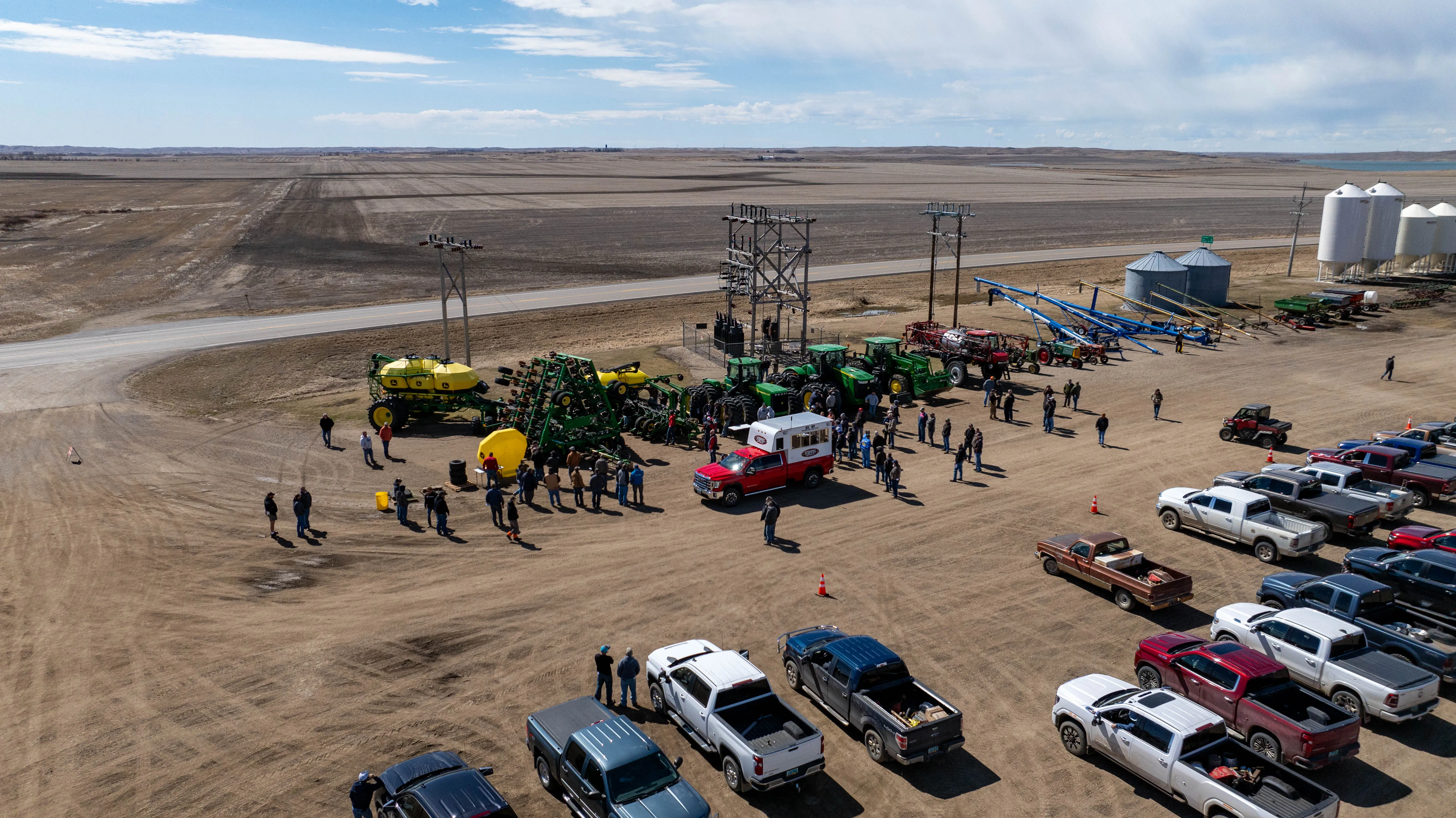
Every sale has different needs, so the format should match your situation. A live auction with online bidding works well for retirement or complete farm dispersal events. For other sales, timed online events offer great flexibility. Our bimonthly Online Steffes Auction lets you list a single piece or multiple items, with the option to sell right from your own yard or bring equipment to a Steffes location. Take a look at current Transportation Auctions or read more about selling with Steffes before deciding.
Start with a current value, not an old number
It's easy to remember what a truck cost new, or what a similar one brought at auction a few years back. Neither number tells you much about what your equipment is worth today. Make, model, configuration, mileage, hours, maintenance history, condition, current buyer demand — all of that moves the price more than what you paid or what the market looked like back then.
A current valuation gives you something real to work from. It'll help you decide when to sell, whether equipment should be grouped together, and what kind of outcome is actually reasonable. Steffes handles valuations and appraisals for transportation equipment and can talk through market conditions as you're planning the sale.
Confirm the details before bidding begins
Every auction runs on its own terms, dates, and responsibilities. Before the sale, nail down which documents are needed, when equipment can be inspected, how removal works, and what deadlines kick in once the auction closes. If trucks or trailers are financed, titled, or scattered across more than one state or province, flag that early rather than sorting it out at the last minute.
It's worth reading the terms for your own sale as closely as any buyer would. Equipment typically sells as-is, where-is, which is exactly why a complete, accurate listing matters so much. A clear plan for documentation, inspection, pickup, and communication keeps things moving and means nobody's guessing at what happens next.
Turn idle equipment into the next opportunity
Surplus trucks and trailers tie up capital and take up yard space fast. Whether you're upgrading the fleet, resizing after a contract change, or getting out of a line of business altogether, selling that equipment turns it back into money you can put toward whatever's next.
The strongest sales are almost never the result of one thing going right. They come from clean equipment, organized records, honest descriptions, the right format, and a plan that starts well before the auction date ever hits the calendar.
Steffes Group has been helping clients sell equipment since 1960. To talk through your fleet, your timing, and your options, start with Sell With Us or take a look at upcoming Transportation Auctions.

.webp)
.webp)
