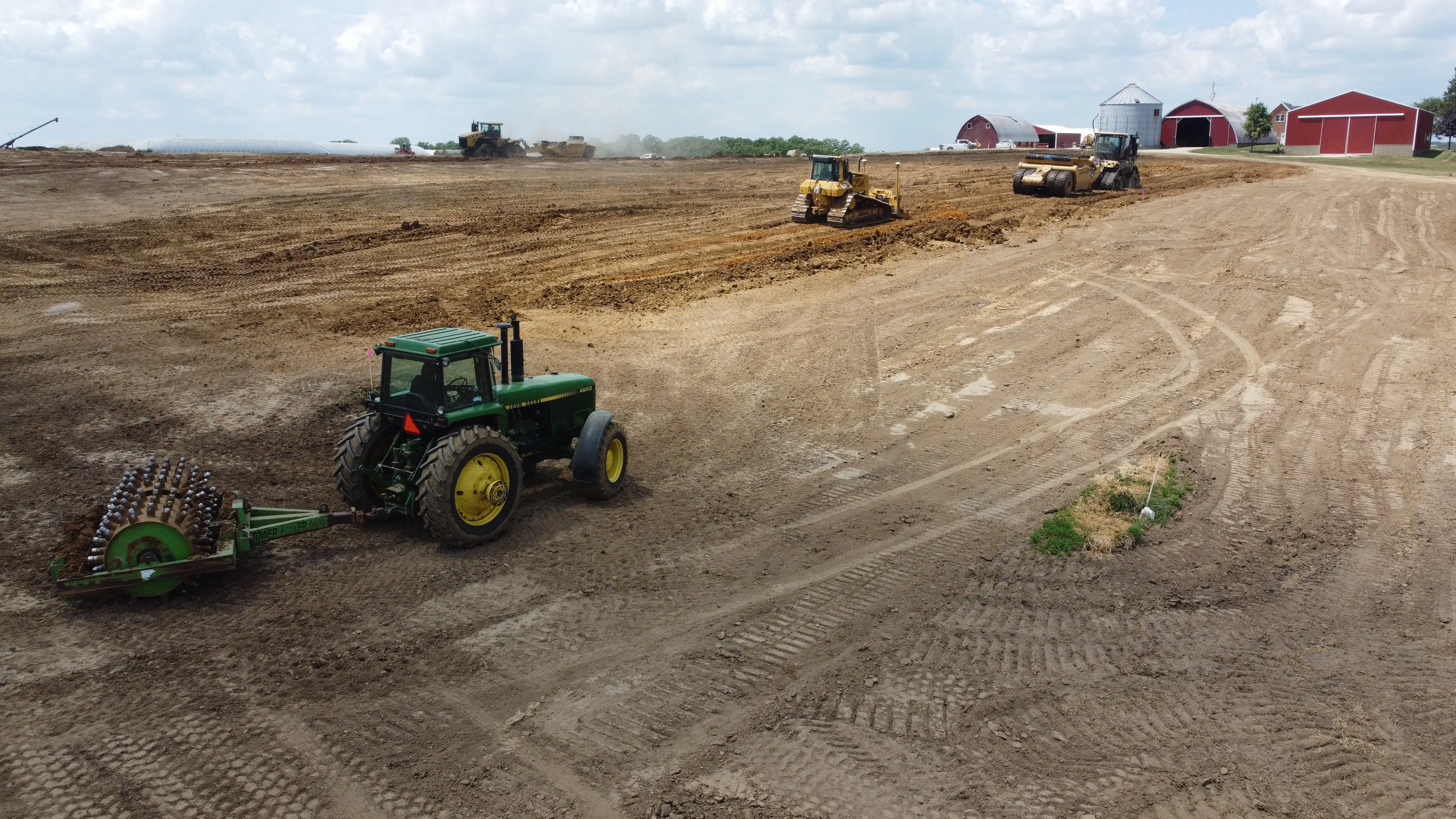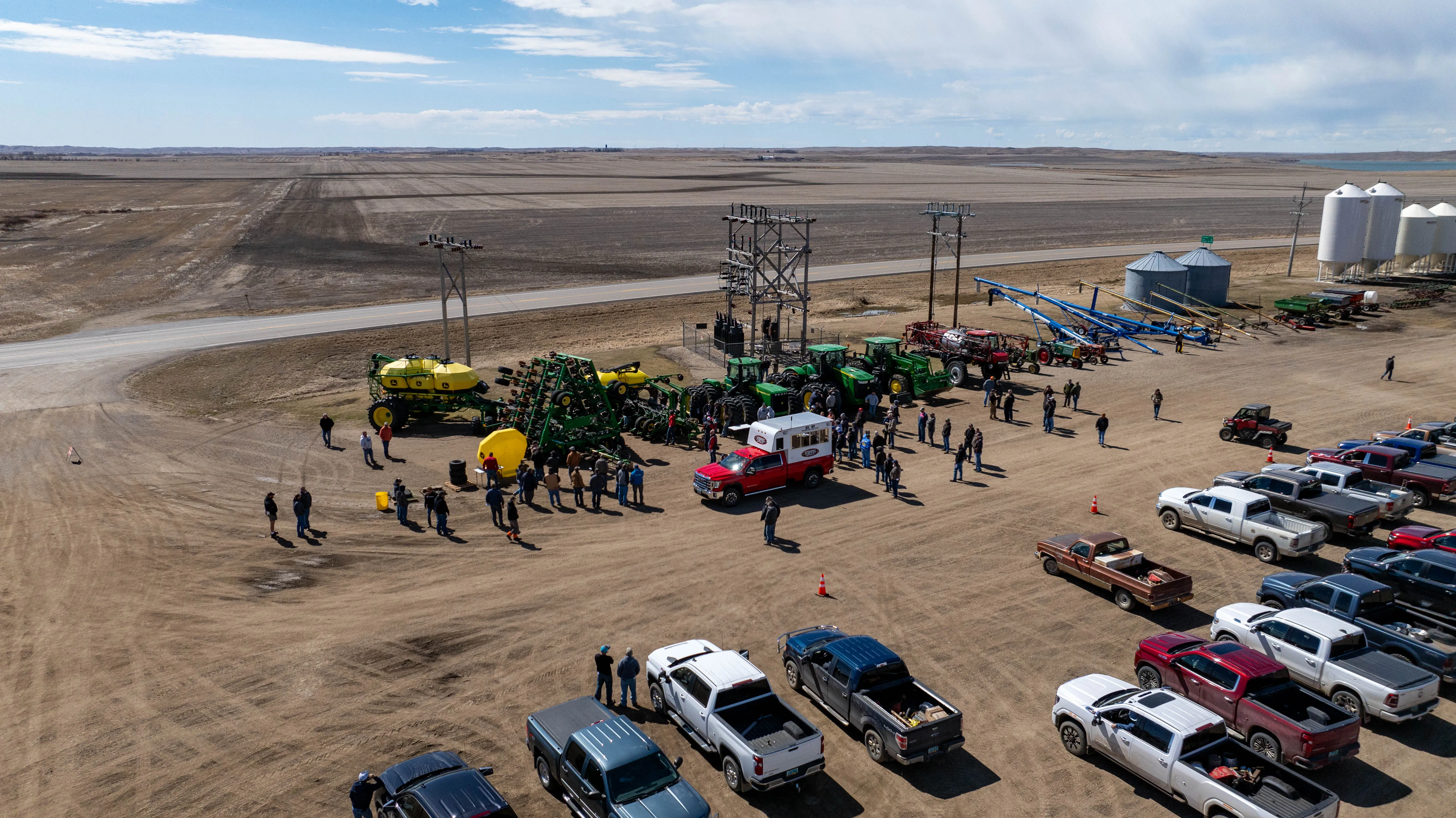
A farm can hold a lot of history. The tractor that was bought for a growing operation. The combine that got pushed hard through a wet fall. The planter that has been reliable for years but no longer fits the acres, the labor, or the plan for next season. Selling equipment is often practical, but it is rarely casual. You want the machinery gone when it needs to be gone. You also want the sale handled in a way that is fair, organized, and clear to the people looking at it. That is the value of an auction when it is planned well. It gives the equipment a defined market, gives buyers a chance to compete, and gives the seller a way to move on without trying to field calls, negotiate one machine at a time, and wonder whether the last offer was really the best one available.
Start with the equipment, not the sale date
Before thinking about marketing or auction format, take an honest inventory of what is sitting on the farm. Walk the yard and write everything down. Machines, headers, attachments, spare parts, tools, and the items that have been parked in the back of the shed for longer than anyone wants to admit. For each piece, get the information a buyer will ask for: make, model, year, serial number, hours, and major options. That sounds ordinary, but the details are where buyers begin to separate one machine from another. A tractor with a loader, guidance system, recent tire work, or a particular transmission is not the same machine as the one listed next to it with the same model number. The same is true of combines, planters, skid steers, grain equipment, and trailers. This is also when it pays to match up the pieces that belong together. If the manuals, extra parts, hitch components, or spare monitors are meant to go with a machine, keep them with it. Buyers notice when a lot feels complete, and they notice when something important has been left in another building. Sellers preparing a full line of machinery can review Agriculture Auctions to see the types of agricultural assets Steffes Group brings to auction.
Clean enough to inspect, not enough to hide anything
Used equipment should look used. That is not a problem. What is a problem is making buyers work to see what they are bidding on.
Clear the cab. Remove the loose tools, drink cups, old paperwork, and whatever else has accumulated in the compartments. Wash off enough dust, mud, chaff, and grease that buyers can see the working areas and identify the features that matter. If the machine has been tucked behind other equipment, move it where it can be photographed and inspected safely.Nobody expects an older tractor or combine to look untouched. In fact, a fresh coat of paint or an overly polished presentation can create more questions than it answers. A machine that is clean, accessible, and presented as it sits is easier to trust. Take care of the simple issues that get in the way. A dead battery, flat tire, or cab that cannot be opened will distract from the rest of the machine. Larger repairs are worth discussing before you spend money on them. A repair that makes sense for equipment you intend to keep may not make sense for a machine headed to auction.
Give buyers the information you would want yourself
Most serious equipment buyers know where to look for wear. They will check hours, tires, chains, belts, hydraulics, cabs, and electronics. They will also want to know what has happened to the machine before it reached the auction. Pull together the records you have. Operator manuals, service logs, invoices for major repairs, warranty information, and parts records all help answer questions. If an engine was rebuilt, a transmission was repaired, or a precision system was updated, that information belongs with the machine. At a minimum, prepare ownership and identification documents, serial numbers, service and repair records, operator manuals, and any information needed to transfer titles or registrations for titled assets. Your auction representative can confirm the exact documents required for each item and jurisdiction. The records do not need to be flawless. Most equipment has been through enough seasons that the paperwork is never complete. What matters is sharing what you have. A service folder with real invoices is more useful than a general claim that a machine has always been maintained.
Be direct about condition
There is no advantage in being vague about a known issue. If a machine has a warning light, a leak, worn rubber, a monitor problem, or a repair that still needs to be made, say so. Buyers will inspect it, and someone will ask about it anyway. Plain language is usually best. Mention what has been repaired, what still needs attention, and what goes with the equipment. If a header, loader, set of duals, GPS receiver, or spare parts are included, put that in the listing. If something appears in a photo but does not go with the lot, make that clear too. This matters even more when buyers are looking at an auction from a distance. A person a few states away cannot walk around the machine, climb into the cab, or stop by the shop to ask a question. Good photos and a complete description give that buyer enough confidence to stay interested.
Do not set a price in your head too early
It is natural to have a number in mind. Maybe it comes from what you paid. Maybe it is based on what similar equipment brought a few years ago. Maybe it is tied to what it would cost to replace the machine today. Those are all understandable starting points. They are not always a reliable measure of what the market will do with a particular piece of equipment. Condition, hours, specifications, attachments, local demand, and the broader equipment market all matter. Two machines with the same model number can sell very differently because one has the options buyers want, better records, or fewer hours. A professional equipment valuation is a useful way to talk through the machine in front of you rather than relying on an old benchmark. It also gives you a chance to explain what you want the sale to accomplish. Some sellers need an efficient transition. Others are selling specialized equipment, a few pieces from an operation, or a complete retirement line. The plan should reflect that.
Decide how you want the sale to work
An auction is not one thing. A large retirement sale has a different feel and a different audience than a few machines being traded out. Some equipment is well suited to a live onsite sale where buyers can inspect a complete line. Other equipment may benefit from timed online bidding that makes it easier for people farther away to participate.
Read the listing as if the machine were not yours
Before the auction goes live, read every listing slowly. Pretend you know nothing about the equipment beyond what is written down. Are the hours right? Are the options listed? Is the repair history mentioned? Is it clear what comes with the lot and what does not? This is where small omissions become bigger ones. A missing serial number, an unclear attachment list, or a photo that shows something not included can create confusion that does not need to be there. It is also a good time to confirm the practical side of the sale: how the equipment will be marketed, when bidding opens and closes, what the payment process looks like, when buyers can remove equipment, and what happens with titles and registration. It is not the exciting part of selling, but it is the part that keeps the process from becoming a headache. When you are ready to talk through the details, Sell with Steffes Group is a good place to start.
Selling equipment can make room for the next decision
Sometimes a sale is part of a normal trade cycle. Other times it is connected to a larger decision: a retirement, an estate, a new partnership, a change in acres, or a different way of running the operation. Those situations are not all the same, and the sale should not be treated as if they are. What stays consistent is the need for a clear plan and an honest presentation. Buyers need to understand what they are looking at. Sellers need to understand the process and the timeline. When both sides have the right information, an auction can do what it is supposed to do: put the equipment in front of the market and let the bidding speak for itself.
To discuss an upcoming equipment sale, speak with a Steffes Group representative about the machinery, your timing, and the kind of sale that makes sense for your operation.