How to Maximize Your Construction Equipment Auction Results: A Seller's Guide
Selling heavy equipment at auction is one of the most effective ways to get the true market value for your assets. A successful auction doesn't just happen; it's the result of careful preparation, smart valuation, and a powerful marketing plan.
This guide walks you through the essential steps to ensure your auction attracts the right bidders and delivers the best possible results.
Key Takeaways
- Preparation Pays: Clean, well-maintained equipment with clear service logs commands higher bids. First impressions are critical for contractors.
- Know Your Value: A professional appraisal is essential. The Steffes Auctioneers team has decades of experience appraising heavy equipment, ensuring your valuation is based on real-world data.
- Marketing is Everything: Your equipment's value is only as high as the winning bid. This requires a targeted marketing plan to reach a national or even global audience of contractors and fleet managers.
- Timing Matters: The construction market is seasonal. Selling in-demand equipment (like earth-moving or paving) just before the building season starts can significantly increase the price.
Step 1: Get Your Equipment "Job-Site Ready"
You will get more for your equipment if it looks good and runs well. Bidders pay more for machines they can trust.
- Clean It Thoroughly: A clean cab, a pressure-washed engine bay, and a clean undercarriage imply a well-maintained machine. Remove all personal items, dirt, grease, and debris.
- Fix the Small Things: Take care of minor issues. Repair known leaks, replace worn-out tires or tracks, and make sure all basic functions (like hydraulics) are working properly.
- Organize Your Documentation: Gather all service records, maintenance logs, operator's manuals, and any warranty information. This documentation builds serious buyer confidence.
- Take Detailed Photos: The Steffes team will handle the official photography and video, but having your own set helps with the initial appraisal.
Step 2: Get a Professional Valuation and Set the Timing
Understanding your equipment's true value is the most important step in the process.
A professional valuation from Steffes Auctioneers is more than just a price estimate. Our appraisers will assess the condition, age, hours, specs, and unique features of each piece. They will also analyze current market demand and recent comparable sales.
This valuation helps you:
- Set realistic financial expectations.
- Decide whether to sell with a "reserve" (a minimum price) or "absolute" (to the highest bidder).
- Work with your Steffes representative to plan the best slot for your sale.
Step 3: Analyze the Auction Marketing Strategy
You can have the best equipment in the world, but it won't sell for its top value if the right buyers don't know about it.
This is where Steffes excels. Our marketing strategy is not just a single ad; it's a comprehensive campaign that includes:
- Digital advertising on search engines like Google and social media.
- Targeted print advertising in major construction and heavy equipment publications.
- A direct email campaign to our private list of construction-focused bidders and contractors.
- Detailed listings with professional photos and videos.
Step 4: Choose the Right Auction Format
The "where" and "how" of your auction can make a big difference. Steffes offers all of these formats, and our team will consult with you to determine which method will bring the highest return for your specific assets.
- Online-Only Auctions: This format provides the widest possible reach, allowing bidders from across the country (or the world) to compete.
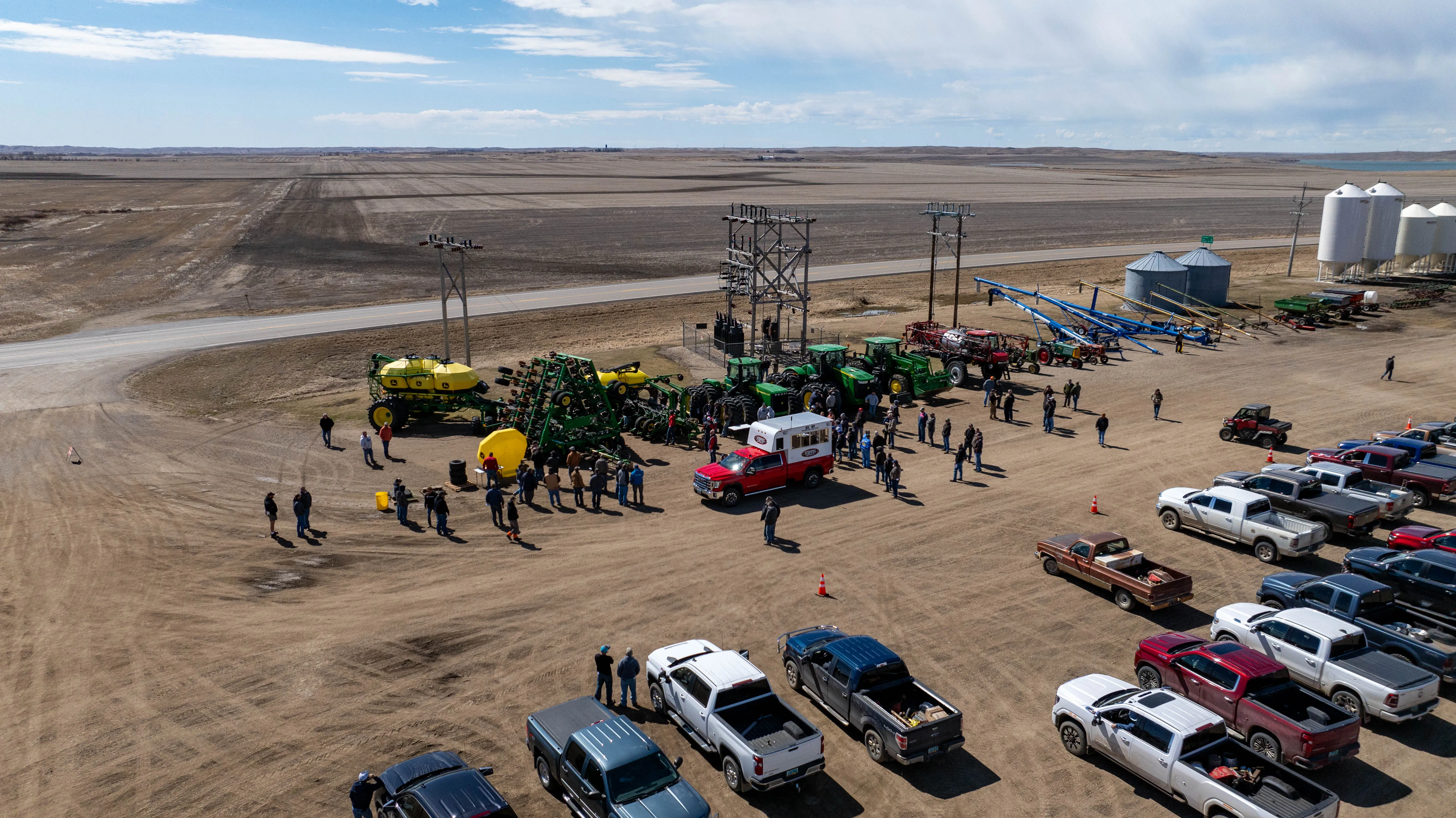
- Live On-Site Auctions: The traditional in-person auction. This format creates a unique sense of excitement and competition, often used for large fleet dispersals.
- Hybrid Auctions: This combines the best of both. It allows for live, on-site bidding while also webcasting the auction online for simultaneous virtual bidding.
Your Pre-Auction Checklist
- Have I gathered all service records and maintenance logs?
- Is all equipment clean, inside and out?
- Have all minor, known issues (leaks, flat tires, track wear) been addressed?
- Have I contacted Steffes for an equipment valuation?
- Have I discussed and agreed upon the marketing plan with my auctioneer?
- Do I understand the fee structure and the timeline for payment?
Put the Steffes Auctioneers Team to Work for You
A successful auction is a partnership. Our team handles the valuation, marketing, and auction-day logistics so you can focus on your business.
If you're considering selling your construction equipment, contact a Steffes representative today to get a confidential valuation and learn about our process.
Frequently Asked Questions (FAQ)
Q: What is the best time of year to sell construction equipment?
Timing is key. Generally, you want to sell equipment just before its season of use.
- Earth-Moving and Paving Equipment: Sells best in late winter or early spring before the building season kicks off.
- Snow Removal Equipment: Sells best in late summer or early fall as contractors prepare for winter.
- General Equipment (Lifts, Trucks, Trailers): Tends to have a more stable, year-round market.
Q: How important are service records for an auction?
Very important. Service records are proof of maintenance and fleet care. They give bidders the confidence to bid higher because they feel they are buying a machine with a known history, not a potential problem.